



 admin
admin

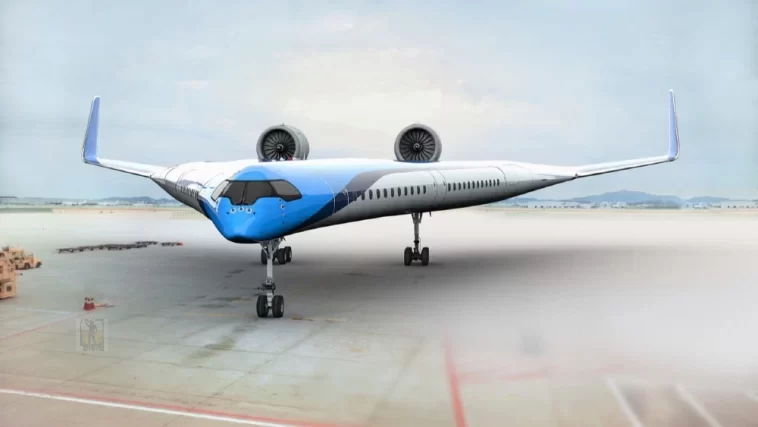
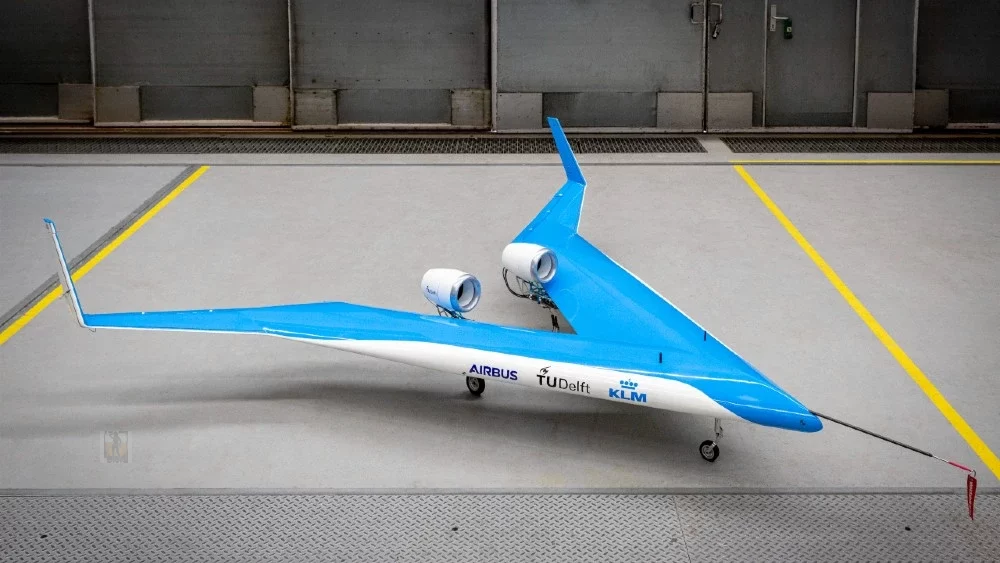
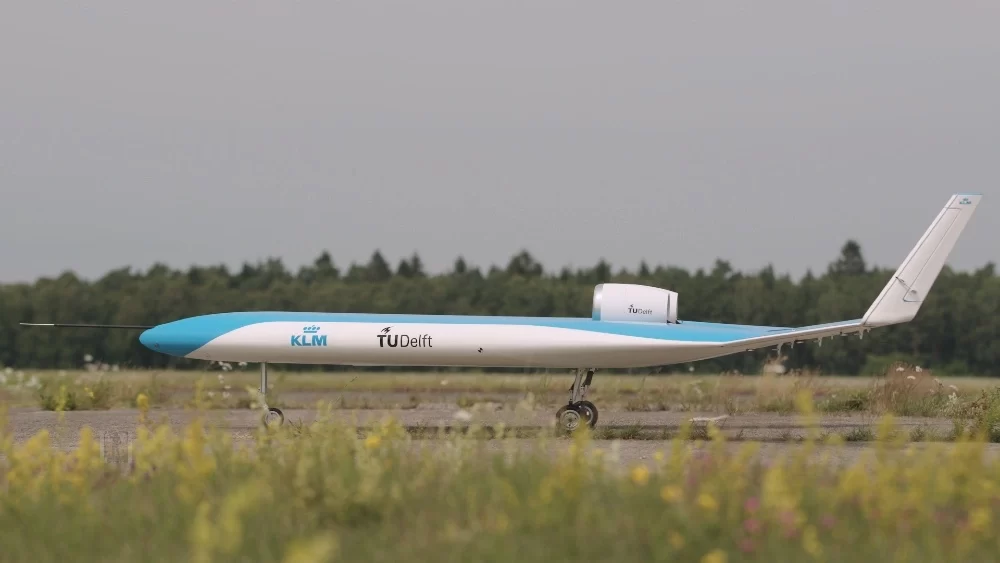
The Flying-V, an experimental airplane that guarantees substantially higher fuel efficiency over more conventional commercial jet designs, is moving towards a larger, more complex version since the scaled, 10-foot model took flight in 2020 in Germany.
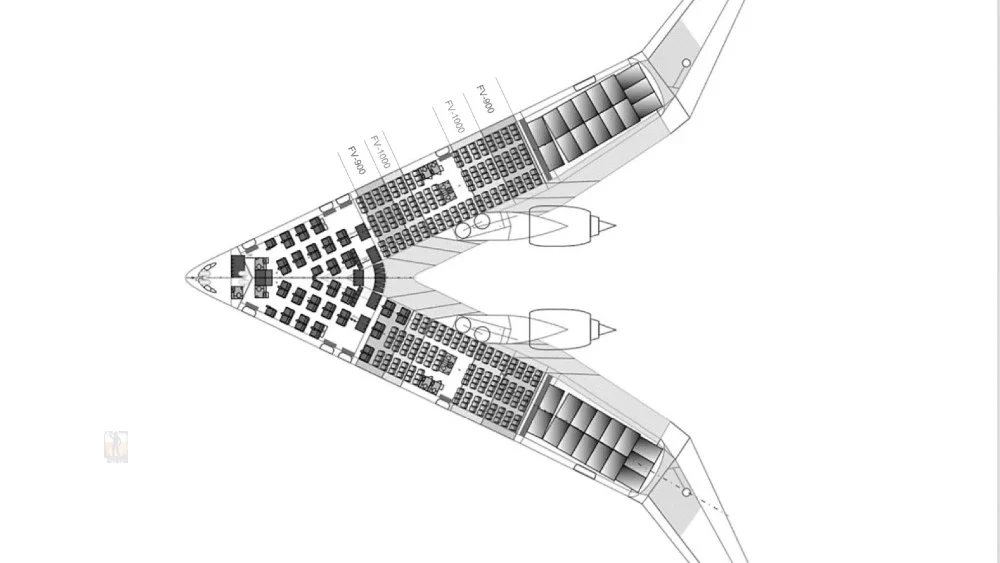
The Flying-V was developed as a fuel-efficient, long-range aircraft in which the guest seating, fuel tanks and baggage hold are developed into the wings.

The aircraft will ultimately have a 214-foot wingspan.
Research study shows that the unusual design stands to gain up to 20 percent better fuel effectiveness than a Plane A350 jetliner, thought about today’s most sophisticated style.
TU Delft
“We’re working on an updated version to improve its design,” says Justus Benad, the Flying-V’s chief engineer and faculty member at Delft Technical University (TU Delft) Aerospace Engineering department in the Netherlands.
“We currently have ongoing research projects on aerodynamics, structural engineering, the noise of the aircraft and how it behaves in flight.”
The university’s blended-wing aircraft principle has financial and technical assistance by KLM Airlines.
The Flying V was flown eight times last year from a German airbase, with the support of a team from Air Bus, and there are preparing for more test flights this year
TU Delft
Benad says data from the test flights are utilized to “feed simulators” for the airplane.
KLM pilots are now flying the unusual aircraft in simulation mode.
“Everything we’ve done so far proves to us that it’s a viable and more efficient aircraft.”
TU Delft
Presently, the Flying-V program has a long-term staff as well as college students working on it.


