


 Mark Megahan

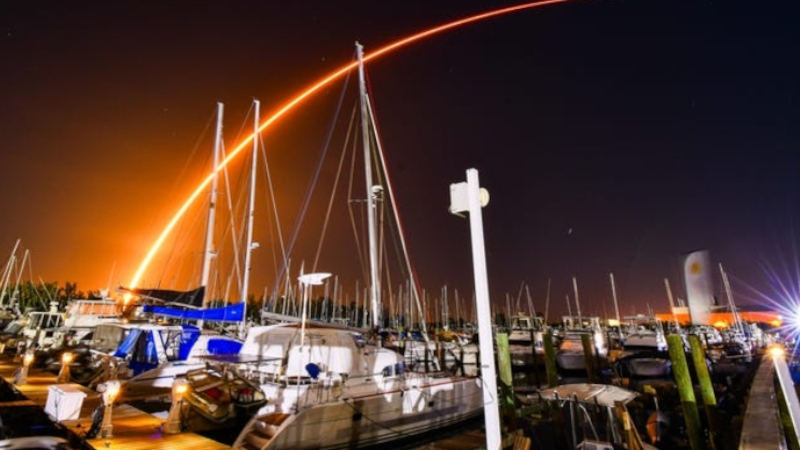
Two lunar lander modules got launched for the price of one. On Wednesday, January 15, “a SpaceX Falcon 9 rocket blared toward space.” It was carrying moon landing payloads from the U.S. and Japan at the same time. Insiders relate it’s the kickoff for “what’s expected to be a bustling year of moon missions.”
Lunar space race
The early morning launch has everyone excited because it’s part of a “renewed race to establish a long-term human presence on the lunar surface.” We haven’t been up there since the 1970’s.

After leaving a few footprints, driving some golf balls and four-wheeling in one-sixth gravity, America lost the technological ability. Nobody else could get a manned mission together either. With the exception of “Jade Rabbit,” even the unmanned ones kept crashing.
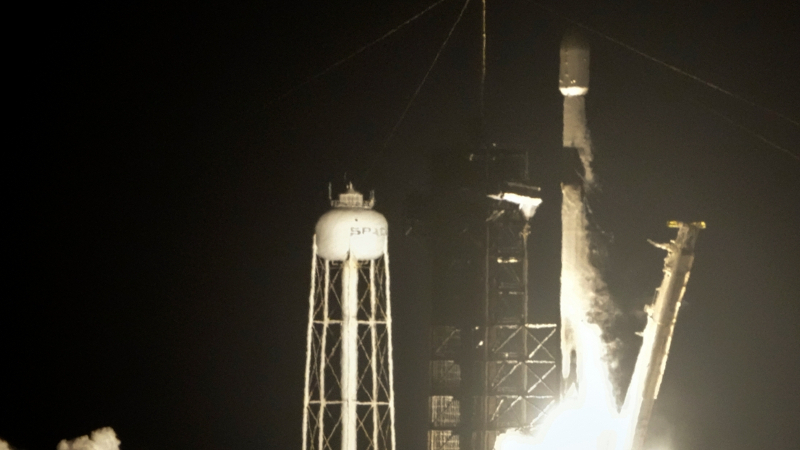
Elon Musk’s SpaceX rocket blasted off on schedule “from NASA’s Kennedy Space Center in Florida at 1:11 a.m. ET.” Tucked into the nose cone “were the two lunar landers — hailing from two different countries.”
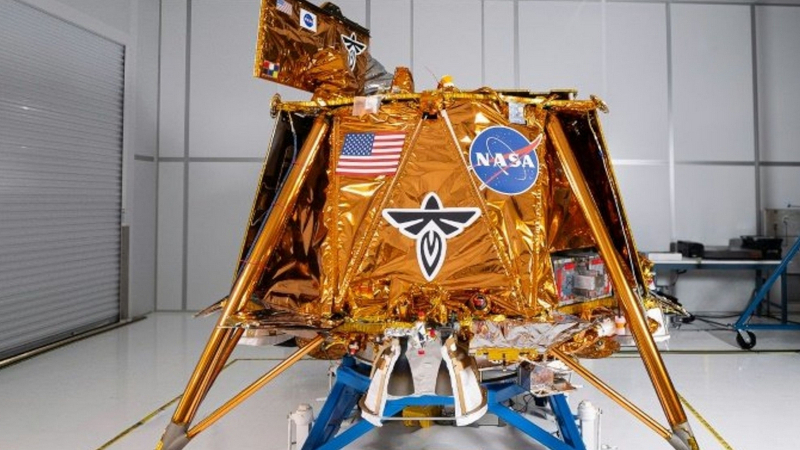
The one we’re rooting for is the “Blue Ghost.” It’s “a 6.6-foot-tall” landing module “developed by Firefly Aerospace, a Cedar Park, Texas-based company.”
This, pundits point out, “marks Firefly’s first foray into sending a spacecraft to the lunar surface.” They’ve been a NASA contractor on commercial moon payload projects. It’s part of the broader Artemis program.
NASA plans to get Americans back to the moon before anyone else gets a foothold. The moon’s a great place to throw rocks at Earth from.
Success not guaranteed
There’s only one thing that Firefly Aerospace CEO Jason Kim can be certain of. “It’s a good time for the lunar economy.”
He’s “100% confident in our team’s ability” while recognizing that “success isn’t guaranteed for Blue Ghost’s inaugural flight.” The Japanese are keeping their fingers crossed, too.
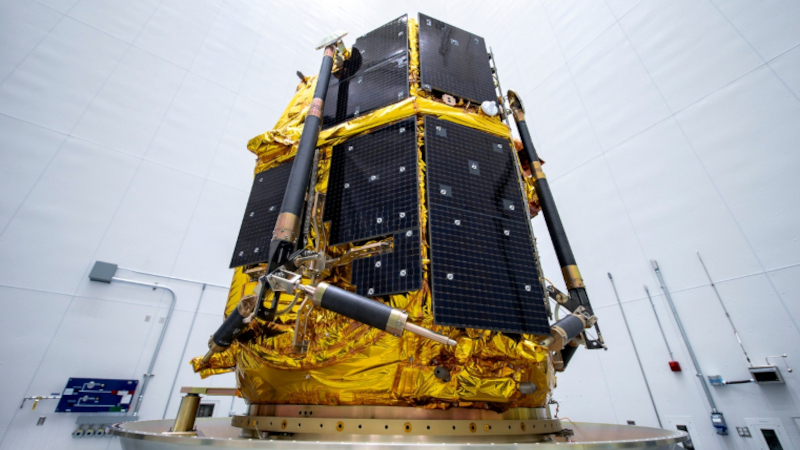
Also packed into the Falcon 9 is “a 7.5-foot-tall lunar lander from Tokyo-based Ispace.” That’s the second try for the company’s Hakuto-R spacecraft.
The Japanese firm “aims to sell its services to space agencies or private companies seeking to put science or other payloads on the moon.”
Ispace was primarily motivated by a chance at winning the Google Lunar XPrize. Any company to “get a lander to the lunar surface in an effort to spur space technology innovation in the private sector” was to get a check for $20 million.
The contest ended in 2018 without anyone claiming the prize. Some tardigrades crash landed there but they aren’t eligible to collect, since they don’t have a bank account.