



 admin
admin

As soon as the water temperature reaches above 60 degrees, crappie spawn can occur anywhere from early March to the middle of May, depending on where you live.
Crappie build their spawning nests in shallow water, typically between 1-6 feet deep.

Male crappie build nests by aggressively brushing their caudal (bottom) fins like brooms to prepare the ground for spawning. As soon as the nest is built, male crappie defend it fiercely.
Find Brush, Cover, or Reeds
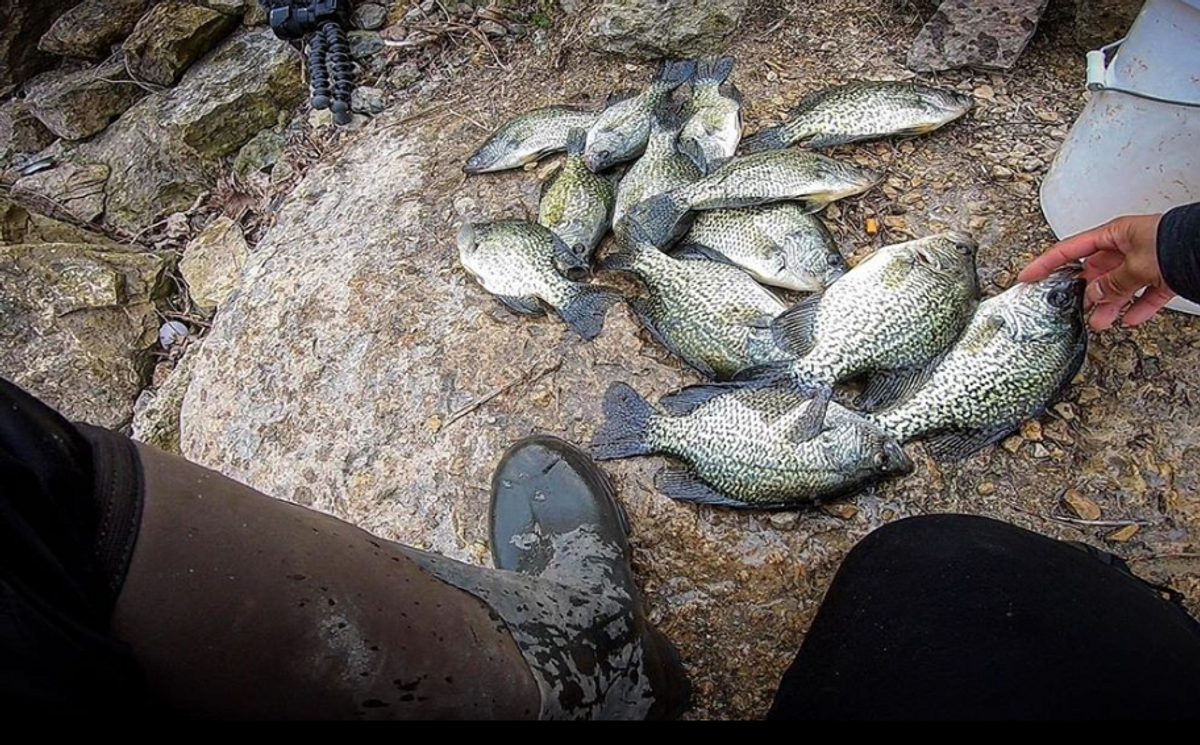
When crappie spawn, shallow cover is an excellent way to target them. Crappie will spawn around brush, docks, long-stemmed reeds, and cattails.
Find The Warm Water
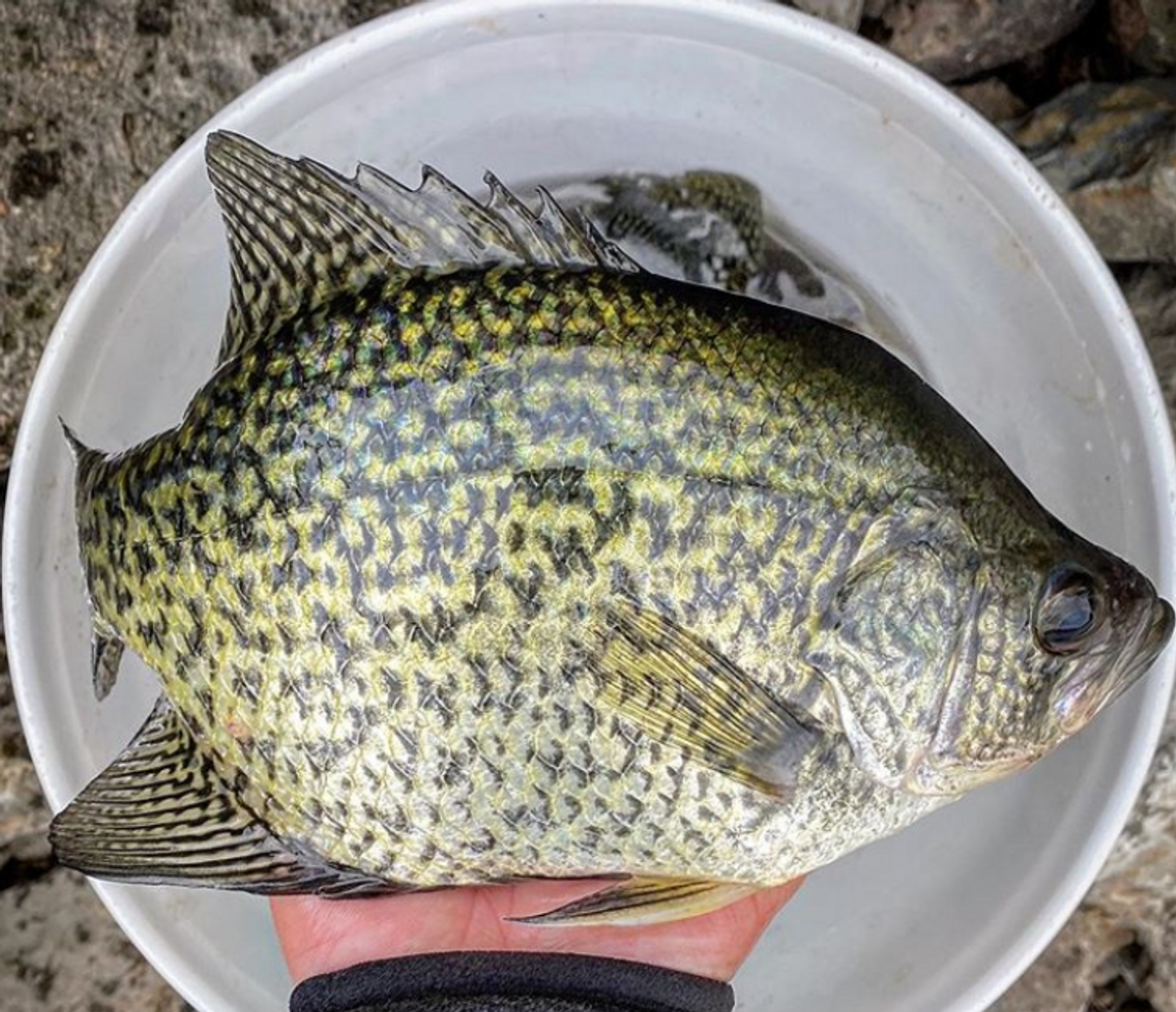
As soon as the water temperature reaches 60 degrees, crappie begin to spawn. This usually occurs just after smallmouth bass spawning and just before largemouth bass spawning.
Early in the spring, when lakes and reservoirs have the warmest water, crappie spawn usually begins there first.
Take What You Need
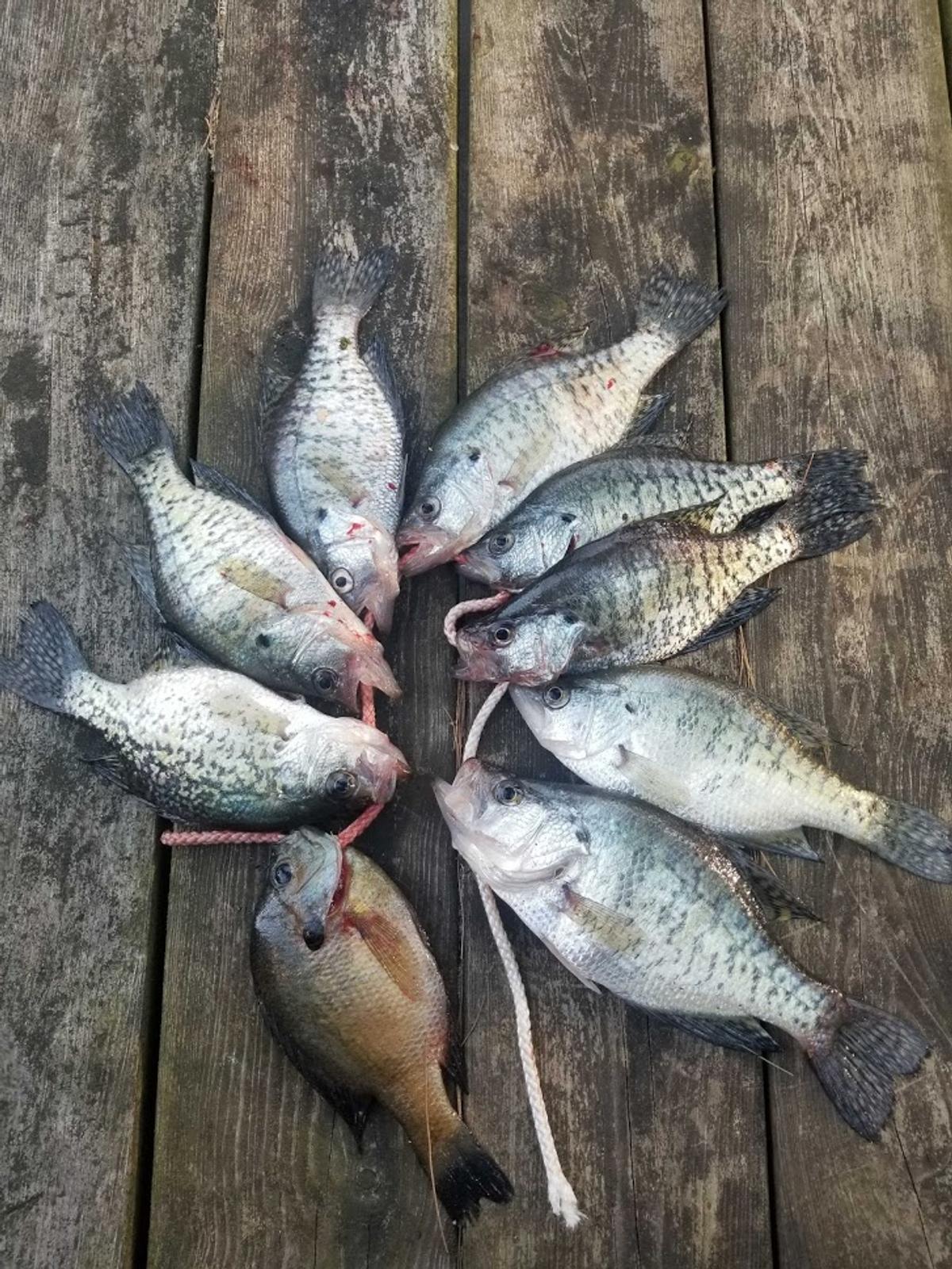
Fishing during the crappie spawn presents anglers with the oppotunity to amass a great number and quality of fish. Of course, who doesn’t love a good old fashion fish fry?
But it is essential that regulations are met and harvests are kept reasonable so as not to put the crappie population in danger.
After all, many believe that these fish are at their most vulnerable during this time.
To ensure there will be plentiful crappie for future generations, think twice before taking more than is necessary. Letting trophy-sized specimens go back into the water means lots of big ones for tomorrow!
Right Gear
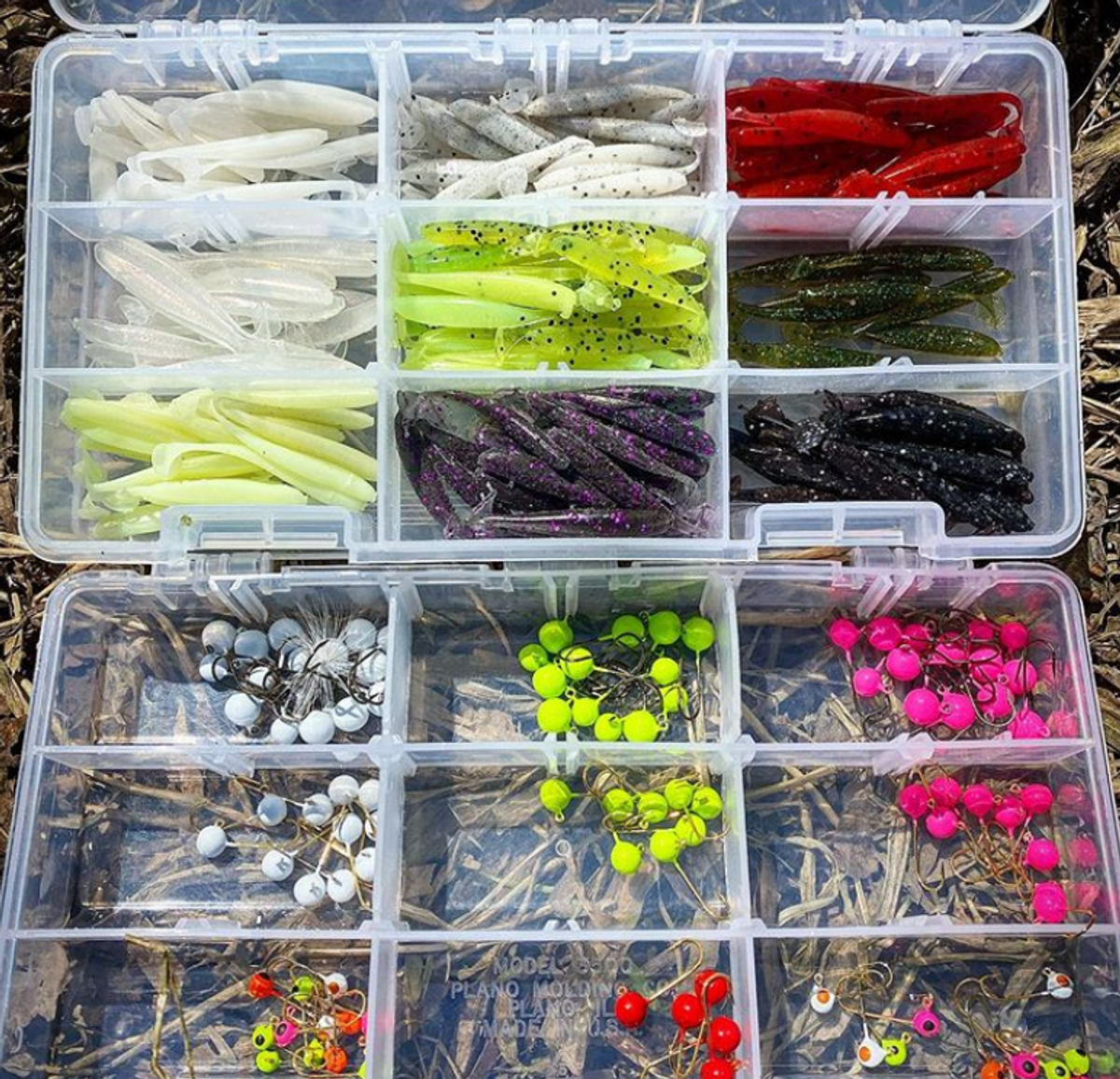
While knowing when and where to catch crappie is great, you can’t actually catch them without the right equipment.
With a light combo spooled with monofilament or fluorocarbon, you can cast small lures and rigs to panfish much more effectively
Micro-jigs rigged with soft plastics or live bait suspended 2-4 feet below the surface work well to capitalize on spring crappie.
Slip bobbers are easier to cast in tighter areas compared to traditional pinch-on style, so I will generally opt for them when fishing with small jigheads of 1/16 – 1/32 oz.
For live bait, I use a gold hook and weight presentation usually with fathead minnows or redworms.
Sources: Karls