




 admin
admin
Data preserved in soil

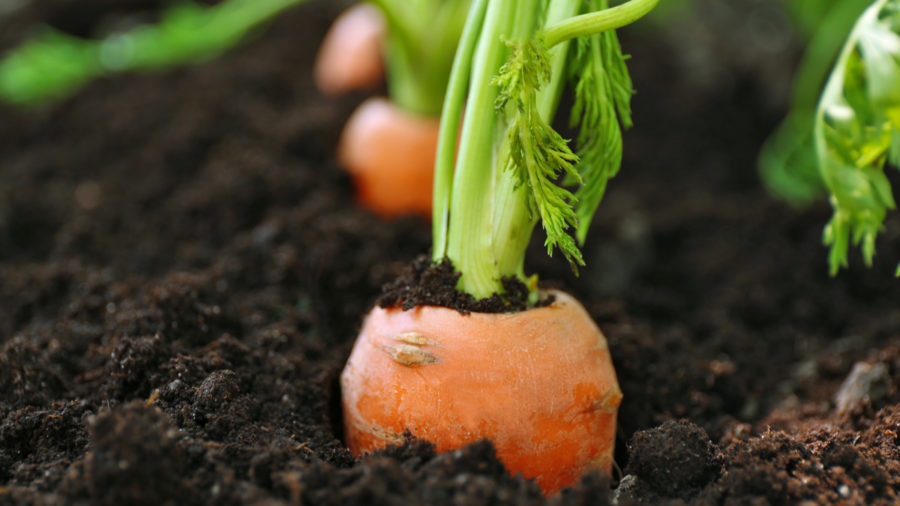
There is no doubt that the availability and suitability of land is a primary determinant of supply capacity for traditional farming models.

In order to create an idea of future potential, current data must be collected, and then mapped to tell a region’s story. This story is written in the soil, in the dirt.
The Africa Soil Information Service (AfSIS) is using cutting-edge analysis, statistics, field trials, and crowdsourcing to create digital soil maps for sub-Saharan Africa.
Supported by the Bill and Melinda Gates Foundation, this project has partnered with governments and other stakeholders and academic institutions, including the Earth Institute at Columbia University.
The ISRIC World Soil Information AfSIS project strives to promote sustainable agricultural intensification and natural resources management in data-sparse regions such as Africa via innovative ideas like digital soil mapping.
The interactive maps are open access and can be viewed on Google Earth.
Innovative agriculture underground
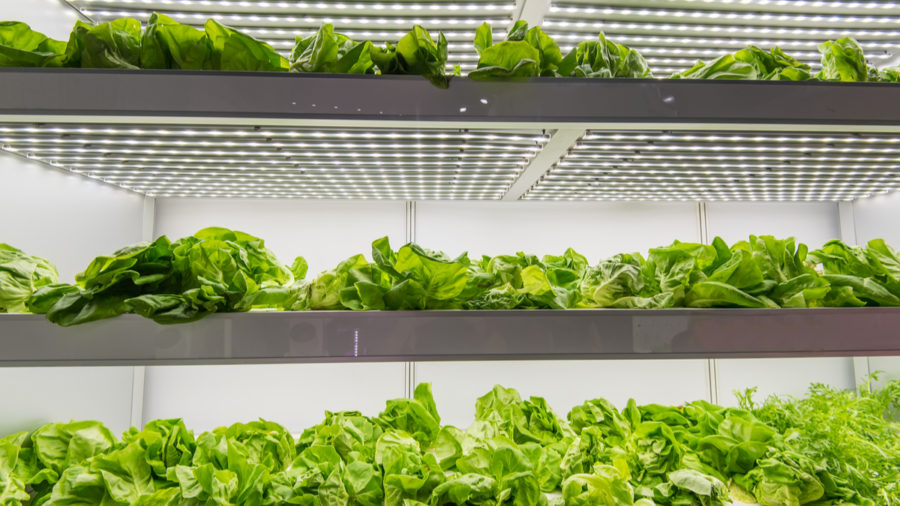
It may come as a shock for some to realise that the rocket, radish, and baby spinach they dine on have been cultivated in Singapore’s first licensed indoor vegetable farm.
This space is Panasonic’s own electronics lab, which achieved 3.6 tonnes of yearly soil-based production in its inaugural year.
But it isn’t only this tech giant that looks to harness technology for agriculture;
Sharp is growing strawberries in Dubai, and companies like Sony, Toshiba, and Fujitsu are utilizing former clean-room facilities of semiconductor plants across Japan for hydroponically grown lettuce that can grow twice as fast due to special LED lighting.
What do greens feed on?
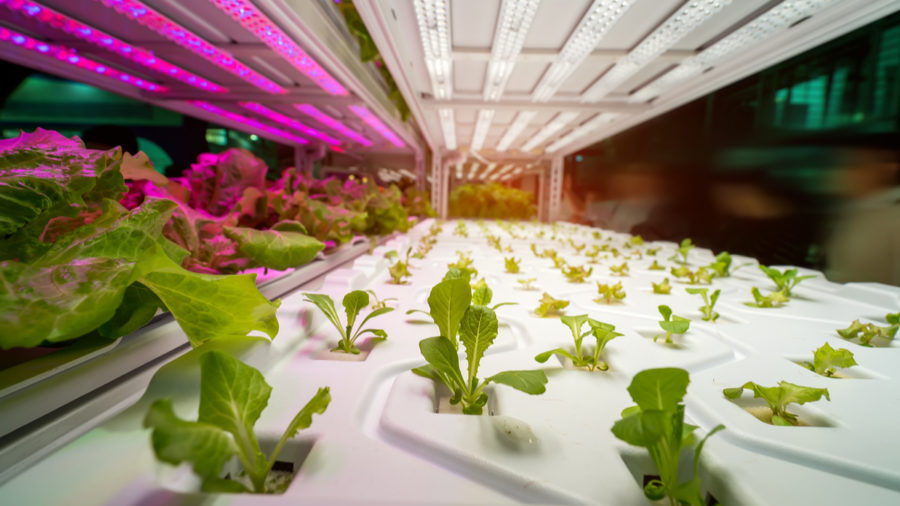
Bioaqua Farm at Blackford in Somerset is a popular innovation in agriculture that embraces a virtuous circle of reciprocity.
Together, hydroponics which uses mineral-enriched water and aquaponics the combined fish and plant farming system are practiced there without the use of chemicals or pesticides, yet with the help of bees and worms.
The Rainbow Trout housed there provide nutrients to plants through their effluent, while plants take up metabolites from the fish waste; following treatment, this water returns to the aquatic animals.
This form of farming reputedly uses approximately 95% less water than traditional horticulture.
The sun generating freshwater
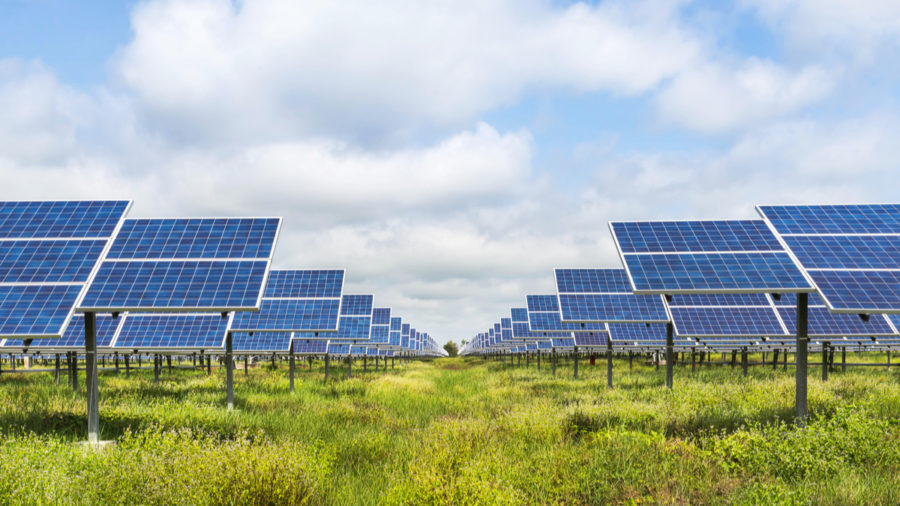
Modern agricultural practices are increasingly focusing on water efficiency, an essential metric to address global population growth and climate change.
Desalination is one solution, but has the disadvantage of high energy requirements and costs that may not be compatible with profit margins.
Sundrop Farms, however, offers a revolutionary method instead of freshwater or fossil fuels, they use solar power to generate energy for desalination, supplying hydroponic greenhouses.
This innovative concept has already created 300 jobs in South Australia, where a ten-year contract was signed with Coles supermarkets to grow tomatoes.
Agriculture aircraft
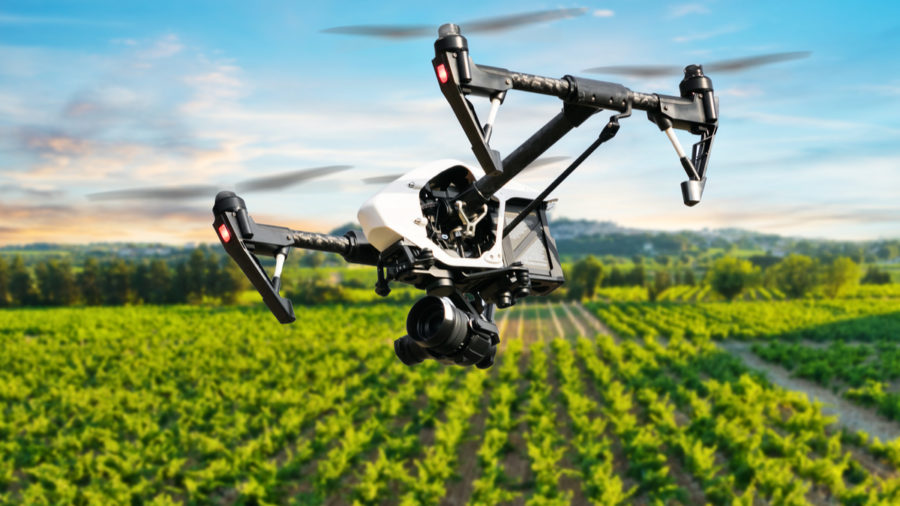
Drones are often thought of as mainly being used for military and spying purposes, and in some cases for publicity stunts, such as pizza deliveries.
However, there is the potential for them to become one of the most valuable inventions in agriculture, if utilised correctly.
The UAE Drones for Good Award has recognised this change, with various finalists presenting ideas related to conservation, healthcare and farming.
Quantum-Systems from Munich put forward a transition aircraft known as Quantum VRT which allows farmers to engage in more accurate fertilisation strategies with flight-planning software that analyses crop conditions.
Consequently, this lowers their dependence on fertilisers and ultimately increases crop yields. Dubai is determined to increase the usage of drone technology in farming over the next decade as part of its ambition to become self-sufficient with food security by 2030 currently it is importing 98% of its food supply something which surpasses even Singapore’s imports.
Sources: raconteur


