As an Amazon Associate, we earn from qualifying purchases.
There’s something so rewarding about coming home with a pail filled with panfish.
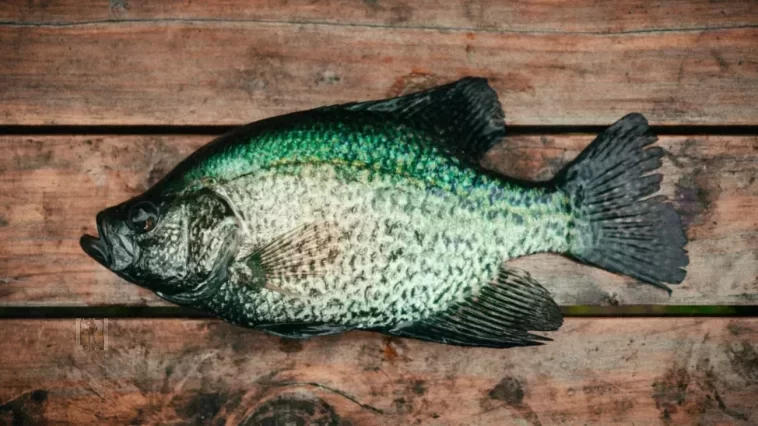
Whether you’re capturing bluegill, crappie, or any of the other myriad of sunfish species, having a stack of scrumptious panfish fillets is on par with having actually finished processing a deer, spatchcocking a duck, or finding the best movie to go with your takeout.
When it’s all set out in front of you, for a moment you feel abundant. It’s the reason that these fairly small and easy-to-catch fish still handle to hold their own in the angling world regardless of being surrounded by bigger and more tough types like bass, walleye, and trout.
Capturing a stringer loaded with panfish and sensation that fulfillment can be done by every angler out there no matter their skill level.
Practically every lake, pond, or big river in the nation has a types of panfish swimming around in them someplace.
Best of all, these aggressive and hearty fish can be captured almost at any time of year, from the dark of winter season to the middle of summertime.
Nevertheless, if you’re looking for some real slabs for your table, your best choice is to begin targeting panfish during the fall.
How to Find Fall Panfish
The factor that fall is such a hot time for panfish is that it is a time of transition. As water temperatures start to drop and vegetation dies off, panfish that have actually been spending the summertime slackly swimming around the shallows and concealing in thick cover start to move out of their warm-water haunts and begin to feed greatly.
The fish school up and move into much deeper water, cruising along drop-offs and into deep holes looking for still-living greenery.
This greenery is essential due to the fact that as oxygen levels drop in the shallows with the passing away of the plants, these much deeper water jungles start to attract baitfish, supplying schools of panfish like crappie and bluegill with a food-rich environment.
Discovering these small patches of deep water weed development is important for fall panfish anglers.
These little patches of salad can be discovered anywhere from 10 to over 50 feet of water depending upon the general depth of the body of water you’re fishing.
The very best method to find these areas is by using electronic devices like depth- and fish-finders from a boat which will enable you to cover a lot of water and find stacked-up schools of panfish really rapidly.
Set up offshore in much deeper water instantly adjacent to shallow water structures like long sand flats and beaches, beyond boat marinas, and off of long points and islands.
Start cruising along these drop-offs, moving in and out of the deeper water, and keeping a sharp eye on your electronics for fish but also any big clumps of weed development that you can find.
These areas will become hotbeds for fish activity during the fall months.
Best Equipment for Fall Panfish
Devices for targeting fall panfish can be a bit challenging. You’ll want to utilize rods that have adequate backbone to cast country miles in what are often unfavorable fall weather with a great deal of high wind, yet are still sensitive sufficient to pick up what can be extremely subtle strikes.
Your best choices for this are longer 6- to 7-foot ultra-light to light-action spinning rods. Pair these rods with a decent spinning frame strung with some light 4- to 6-pound test monofilament fishing line.
Fly anglers looking to put the smack down on some fall panfish will do well utilizing the exact same lighter 4- and 5-weight rods that you would utilize for trout. Lighter rods will make every panfish you hook feel like it’s up for a battle.
Aside from rods, lines, and leaders, both fly and spin anglers will wish to have a good supply of split shot as it will assist get baits and lures to the best depth quickly.
You’ll also wish to bring a decent supply of slip bobbers and or strike indicators to assist discover subtle strikes when you’re fishing with various fall panfish methods.
Best Techniques for Fall Panfish
This can be done with a number of different types of lures, consisting of little spoons and jigging raps, but the most constant panfish manufacturer I’ve found has actually been a timeless marabou jig. All of these lures work extremely well on their own or can be tipped with bait such as maggots, worms, little minnows, or even leeches.
Drop your jigs either directly onto rocky bottoms or suspended them a few inches above weed beds and begin fishing them with a light bouncing action. Vary the cadence of your jigging, starting with little minute vertical twitches of your rod suggestion, to long lifts and drops, until you discover a rhythm that gets a great deal of panfish attention.
Live bait fishing is likewise an especially efficient technique for fall panfish, especially for coast anglers.
The best and most basic rig for this kind of fishing is to tie a small size 8 or 10 bait hook to your line and connect a number of heavy split-shot to the line about 8 inches to 24 inches above the hook.
Bait the hook with a worm or little minnow and after that cast it out into any likely-looking locations and wait on a frisky fall panfish to get it.
While this really easy technique can be reliable, it’s frequently not the most efficient fishing method as the bait simply rests on the bottom and has a tendency to get snagged up.
This can be very discouraging specifically when the snag is caused by a hog sunfish running you into the weeds. I have actually found the very best method to prevent this is to suspend my baits just above the bottom using a slip bobber.
The primary step to setting up a slip bobber rig is finding out the depth of the water you’re fishing and after that setting your rig so that your bait is suspended just a couple of inches above the bottom.
This can be done utilizing an electronic depth finder or by casting or dropping a weighted line into the water and determining the length of the line once the weight strikes the bottom.
As soon as this is done, include a bobber stop or tie a large knot in the line a few inches much shorter than the depth you are fishing and then thread your slip bobber onto the line.
Include a medium split shot to the line about 6 to 8 inches above completion and then connect on a bait hook.
When done appropriately, the line should slide down through the bobber to the correct depth once it’s erupted so that the bobber hangs vertically in the water.
Bait your slip bobber rigs with a worm, minnow, maggot, or leech, and then heave it out into the water where it can be inhaled by a cruising panfish.
Fly anglers can likewise get in on the fall panfish blitz. The very best and most effective method is by casting a small weighted banner such as a Conehead Wooley Bugger or Clouser Minnow out into the water with a little flashy nymph like a Lightning Bug or a little Psycho Prince connected about 12 inches below it as a dropper.
Let the rig sink down just above the bottom and after that strip it back to you with small, sharp, purposeful strips.
Any big panfish searching along the bottom will be attracted by the action of the banner and either move in to smash it or at least be drawn close enough to inhale the nymph.
Deep water nymphing is another extremely efficient strategy for catching huge fall panfish.
Just like the slip bobber, it’s important to know how deep the water is that you’re fishing so that you can suspend your nymphs just above the bottom, so I’ve discovered it best to use a quickly adjustable strike indicator such as a Thingamabobber which will allow you to quickly change your depth until you find the hot zone.
Connect your strike indication at the top of your leader on the thickest part of the line. A lot of leaders are around 9-feet-long so you might have to include a length of tippet to the bottom of the leader to guarantee that your flies will reach the wanted depth.
Once this is done, connect a little split shot 8 to 10 inches above the bottom of the line and after that add your very first fly.
This should be a larger, attractor pattern such as a San Juan Worm or a Hot Head. Connect a 6- to 8-inch length of tippet to the shank of this fly and then add a 2nd smaller fly like a Tactical Hot Spot or a DD Midge.
While other fly-fishing approaches require a lot of action, deep-water nymphing is typically best when the flies are left alone.
A “set it and forget it” type of fishing approach, the only real action required for this type of fly fishing is a certain amount of perseverance and sufficient grace to set the hook set when the strike sign is pulled underwater by a fat panfish.



 admin
admin


