



 admin
admin

Are you interested in learning how to taste wine? Have you been wanting to explore different wines and learn more about the subtle nuances and flavors of each varietal?
If so, then this guide is for you! In this article, I’ll be taking you through the basics of how to taste wine, from understanding the different types of wine, to learning how to pair them with food and even setting up an at-home tasting experience.

By the end of this article, you’ll be ready to embark on your own delicious journey of tasting wine. So let’s get started!
Introduction to Wine Tasting
When it comes to tasting wine, the goal is to assess the overall quality and character of the wine.
A good wine tasting experience involves more than just drinking a glass of wine, it involves paying attention to the aroma, taste, and body of the wine.
Wine tasting is a form of art and science, and it takes practice and experience to be able to differentiate between the different types of wines and their unique flavor profiles.
In this article, I’ll be taking you through the basics of how to do a proper wine tasting.
You’ll learn the basics of how to smell, taste, and evaluate wine, as well as how to pair it with food and explore different regions to find the best wines. So let’s dive into the world of wine tasting!
A Guide to the Basics of Wine Tasting

The first step to tasting wine is to understand the basics of what makes up a good wine. There are four key components to a good wine: aroma, taste, body, and balance.
Aroma refers to the smell of the wine, which can range from fruity, floral, and earthy, to spicy, oaky, and even smoky.
Taste is the flavor of the wine, which is made up of a range of different notes including sweetness, acidity, tannins, and alcohol.
The body of the wine is the texture and weight on your tongue, and it can be light, medium, or full-bodied. Finally, balance is the combination of all these components in a harmonious whole.
Now that we have a basic understanding of what makes up a good wine, let’s look at the different steps involved in tasting wine.
How to Smell Wine

Smelling a wine is an important part of the wine tasting process. It’s important to smell the wine before you taste it, as the aroma of a wine can tell you a lot about its flavor profile.
To properly smell a wine, take a good sniff of the glass and try to identify the different aromas. This can range from fruity and floral notes, to spicy, oaky, and even smoky.
When you smell a wine, try to identify the different aromas and think about how they relate to the taste of the wine.
You should also think about how these aromas will interact with the other components of the wine, such as the body and balance.
How to Taste Wine

Now that you’ve had a chance to smell the wine, it’s time to actually taste it. The process of tasting a wine involves taking a sip of the wine and then swirling it around in your mouth.
This helps to aerate the wine and release the different flavors and aromas.
When tasting the wine, pay attention to the different flavors and note how they interact with the other components.
Is the wine sweet or acidic? Are there notes of tannins or alcohol? How does the body feel on your tongue? Is the wine balanced or does it have too much of one component?
Once you’ve taken your time to assess the different components of the wine, take a moment to think about the overall flavor profile.
How does it compare to the aromas you identified earlier? Does the taste match your expectations?
Different Types of Wine

Now that you have a better understanding of the basics of tasting wine, let’s take a look at the different types of wines. The most common types of wines are red, white, rose, and sparkling.
Red wines generally have a deep, rich flavor and tend to be higher in tannins. Common red wines include Cabernet Sauvignon, Merlot, Pinot Noir, and Syrah.
White wines tend to be lighter in body and flavor and are usually lower in tannins. Common white wines include Chardonnay, Sauvignon Blanc, and Pinot Grigio.
Rose wines are a blend of red and white wines and tend to have a lighter body and flavor. Sparkling wines are usually made from white or rose wines and are usually higher in alcohol content.
Tips for Tasting Wine
Now that you know the basics of tasting wine, here are some tips to help you get the most out of your tasting experience.
First, it’s important to have the right glassware. Different types of wines should be served in different types of glasses, as this helps to enhance the aroma and taste of the wine.
For example, red wines should be served in wide-bowled glasses, while white wines should be served in tall, narrow glasses.
Second, it’s important to have the right temperature. Red wines should be served at room temperature, while white wines should be served chilled.
Finally, it’s important to take your time when tasting the wine. Allow yourself to really savor the flavor and take note of the different flavors and aromas.
Pairing Wine with Food

Once you’re comfortable with tasting wine, you can start to explore different pairings. Pairing wine with food is a great way to enhance the flavor of both the food and the wine.
When pairing wine with food, it’s important to think about how the flavors of the food and the wine will interact.
Generally, white wines pair well with lighter foods such as fish, salads, and vegetables, while red wines pair better with heavier foods such as steak, game, and other rich dishes.
When pairing wine with food, it’s also important to think about the body of the wine. Light-bodied wines tend to pair well with lighter dishes, while full-bodied wines go better with heavier dishes.
Exploring Different Regions to Find the Best Wines

Once you have a better understanding of how to taste wine and pair it with food, you can start to explore different regions to find the best wines.
Different regions have different climates and soil, which can give each type of wine a unique flavor profile.
For example, California is known for its Cabernet Sauvignon and Chardonnay, while Bordeaux is known for its Cabernet Sauvignon and Merlot.
Italy is known for its Sangiovese and Nebbiolo, while Spain is known for its Tempranillo and Garnacha. Exploring different regions and their wines is a great way to expand your knowledge and palate.
Tips for Setting up an At-Home Tasting
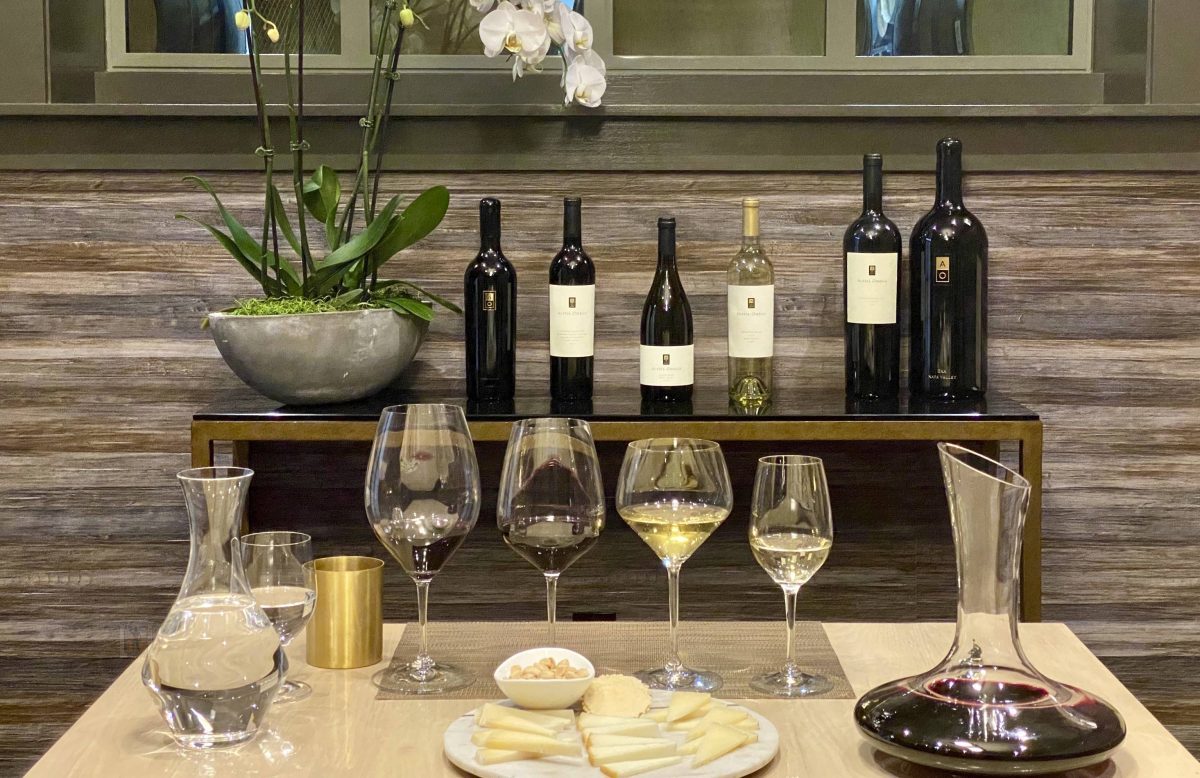
Now that you know the basics of how to taste wine, let’s look at how to set up an at-home tasting experience.
Setting up an at-home tasting is a fun and informative way to explore different types of wines and learn more about the subtle nuances and flavors of each varietal.
When setting up an at-home tasting, it’s important to have the right supplies. You’ll need a variety of glasses, a decanter (if you’re tasting red wines), and a few bottles of wine.
You’ll also need a few snacks to accompany the wine, such as cheese, crackers, and olives.
Finally, it’s important to have a few friends or family members to help you taste the wines. Having a few people to help you taste the wines can help to make the experience more enjoyable and informative.
Tasting wine is a great way to explore different regions and their wines, as well as learn more about the subtle nuances and flavors of each varietal.
By following the steps outlined in this article, you’ll be well on your way to becoming a wine connoisseur. So get ready to embark on your own delicious journey of tasting wine!


